The Tony Kiritsis Verdict
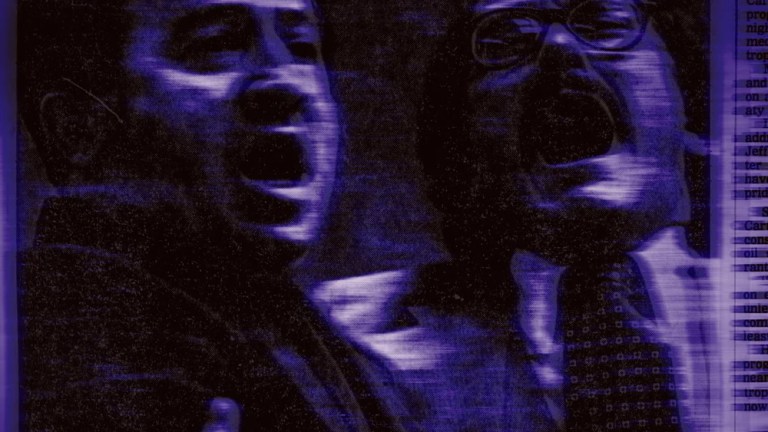
Kiritsis' Live Verdict and the Aftermath
In October 1977, after two tense weeks of testimony, a Marion County jury delivered a stunning verdict: Anthony G. “Tony” Kiritsis was found not guilty by reason of insanity. The decision brought to an end one of Indiana’s most unforgettable trials, the aftermath of a 63-hour hostage ordeal that had already played out live on radio and television. When Judge Michael Dugan delayed entering the courtroom until prime-time news began, the verdict itself became a national broadcast event. Americans didn’t just read about the case the next morning — they watched history unfold on their living room screens.
The jury had been out for two and a half days, repeatedly telling Judge Dugan they could not reach a unanimous decision. Each time, he sent them back to deliberate further. By the night of October 21, no one expected a resolution before the weekend. Court officials and attorneys had gone home or out to dinner when they were suddenly called back to the City-County Building. The verdict was read live on Indianapolis television, and word spread so quickly that when it was announced at a Checkers minor-league hockey game in Market Square Arena, the crowd erupted in cheers. (Many people mistakenly recall this happening at an Indiana Pacers game.)
Kiritsis had resisted the insanity defense from the beginning. He saw himself as a victim of fraud, not a man with a mental illness. Only after the insistence of his lead attorney, John Ruckelshaus, did he reluctantly agree. Ruckelshaus and co-counsel J. Richard Kiefer built a formidable defense team of law clerks, detectives, and psychiatrists. Their central argument: Kiritsis was gripped by a paranoid delusional state, convinced beyond reason that the Hall family was conspiring to rob him of his land. Prosecutors Thomas Schornhorst and George Montgomery countered that Kiritsis was calculating and fully aware of his actions.
The trial itself had its share of strange turns. Jurors heard psychiatrists, police officers, and Kiritsis himself, who expressed both remorse and paranoia on the stand. At one point, a lunch break turned into an emergency when a juror began choking, only to be saved by Kiritsis’ brother Jimmie performing the Heimlich maneuver. In the end, the jury accepted the defense’s case. The verdict spared Kiritsis a life sentence, but it did not set him free — he was committed to a state mental institution, where his release would depend on doctors rather than judges.
The public reaction was explosive. Some Hoosiers believed justice had been denied, while others saw the outcome as a necessary acknowledgment of mental illness. Editorial pages lit up with debate, and within a year Indiana lawmakers tightened the insanity defense, shifting the burden of proof from prosecutors to defendants — reforms that spread across the country. Alongside the later case of John Hinckley Jr., the Kiritsis verdict reshaped how American courts handled mental illness in the justice system.
What makes the case endure isn’t just the shocking crime or the courtroom drama. It’s the way the ordeal — from the hostage march through downtown Indianapolis, to the profanity-laced rants broadcast live, to the verdict cheered in a hockey arena — forced the public to confront uncomfortable questions about crime, mental health, and media spectacle. Nearly fifty years later, the Kiritsis trial still stands as a reminder of how one case can change not only the law, but the culture around it.
In the hours immediately following the verdict, the courtroom gave way to a media frenzy. Reporters crowded around the defense and prosecution alike. Cameras captured reactions from Tony’s attorney Nile Stanton, his brother Jimmie Kiritsis, and prosecutor George Montgomery, with Richard Kiefer, Tony’s other lawyer, also visible in the background. These interviews, aired to a fascinated public, revealed just how polarizing the outcome was — a mix of relief, outrage, and disbelief that mirrored the broader debate already unfolding across Indiana and beyond.