Tony Kiritsis Articles & Analysis
Explore Tony Kiritsis articles and analysis — from archival reports of the 1977 Indianapolis hostage crisis to new perspectives on its lasting impact. Coverage includes the kidnapping of Richard Hall, Kiritsis’ Crestwood Village apartment standoff, the dramatic live press conference, the insanity trial and verdict, and the cultural debate that followed.
How the Kiritsis Hostage Ordeal Started
A deep dive into the long cold walk through downtown Indy that kicked off the Kiritsis incident
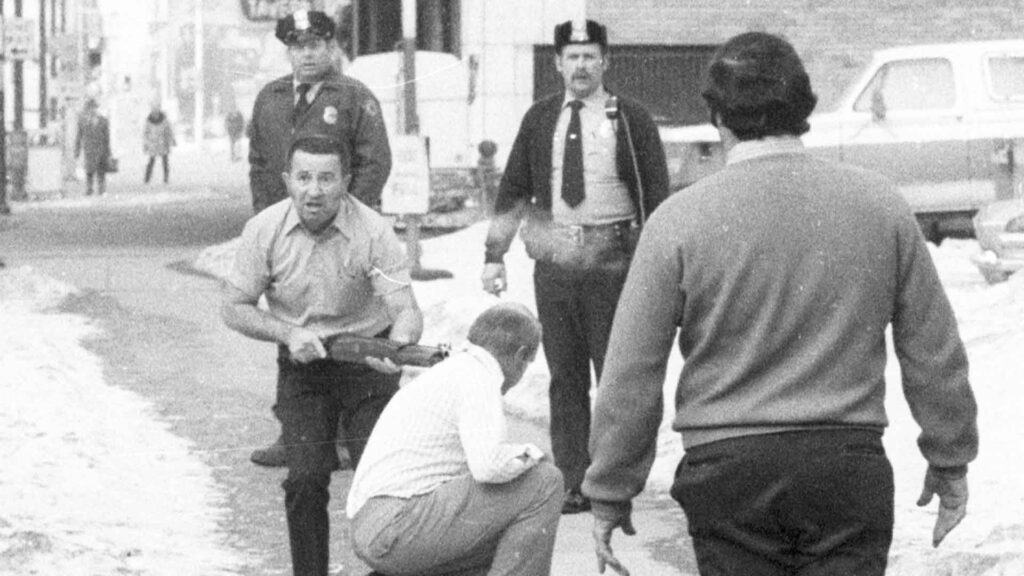
Even though this event has been written about scores of times over the four decades between the incident and the release of Dead Man’s Line, we were surprised by how piecemeal the story was. Bits of it appeared in newspaper articles and white papers. Several cameramen had isolated parts of the story sitting on the shelf for years. Local media covered it extensively while it was happening and would revisit the story from time to time for an anniversary update, yet nowhere could we find a single definitive version of how it all began.
Pieced together from over 45 interviews over the course of 6 years, footage and photos from local journalists, the initial 911 call to police, and Dick Hall’s book Kiritsis and Me: Enduring 63 Hours at Gunpoint, here is the most complete account of how the incident unfolded.
Tony Kiritsis' Apartment
See the extent of Tony’s premeditation based on all the precautions he took inside his home
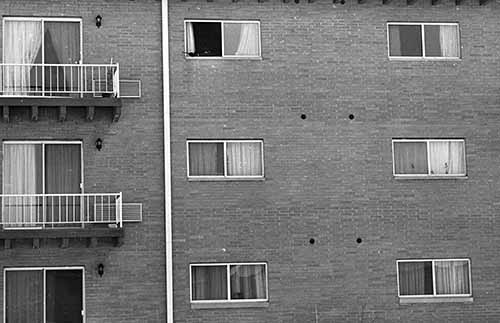
One of the places we never get to see in Dead Man’s Line is the inside of Tony’s apartment where he restrained Dick Hall in one way or another for three days. Here is a diagram (thank you, Kirk McCollough, for creating that) that we adapted from a court document that showing the layout of Tony’s third-floor Crestwood Village apartment (whose orange brick exterior today still looks much like it did in ’77). We’ve pointed out a few important spots that show the extent to which Tony had thought out the kidnapping. Unlike a psychotic episode or a crime of passion, this was not a spur-of-the-moment decision or a spontaneous outburst of anger.
A Time of Hostages
A first-hand account of Tony Kiritis’s bizarro press conference by a reporter who was there
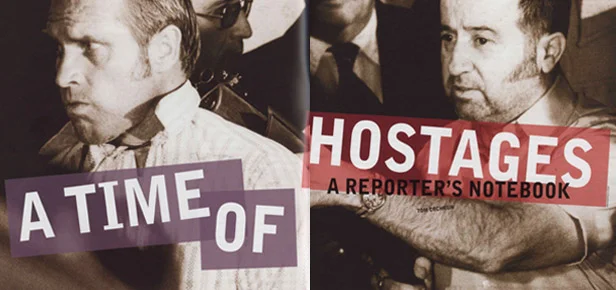
For an excellent account of what it felt like to be in the room for Kiritsis’ live press conference on the night of February 10, 1977, check out this gripping article written by our good friend Tom Cochrun. In later years, he would become an anchor on WTHR’s evening news in Indianapolis, but back in ’77, Cochrun covered the story as a reporter for local radio giant WIBC and has eloquently captured the experience of the whole thing — and in particular the Thursday Night News Conference, in his Trace article “A Time of Hostages: A Reporter’s Notebook.”
The Insanity Defense Case
The strategy behind Kiritsis’ defense from the lead attorney who won the case
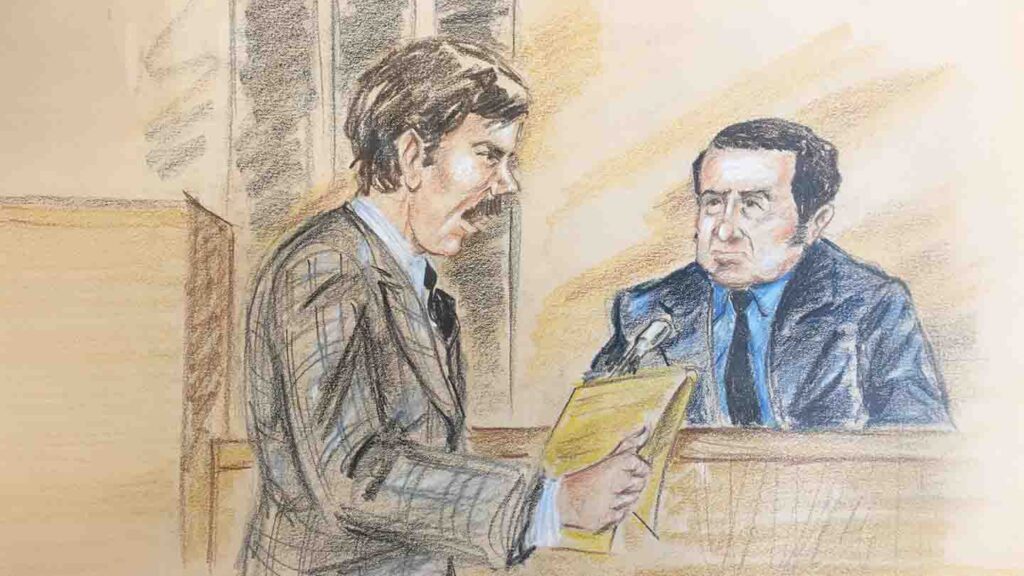
Forty years ago, I happened to serve as chief defense counsel in a case that resulted in the first jury verdict of acquittal broadcast live on nation-wide TV.* It was in the case of State of Indiana v. Anthony G. (Tony) Kiritsis, in which the defense of insanity was asserted. I think readers will find the tale instructive regarding the development of insanity defense law (which it profoundly affected), the criminal trial strategies and tactics employed, and the various unique human factors that came into play.
~Nile Stanton
The Prosecutor Weighs In
How the other side of the courtroom viewed its case told by one of the lawyers who was on the team
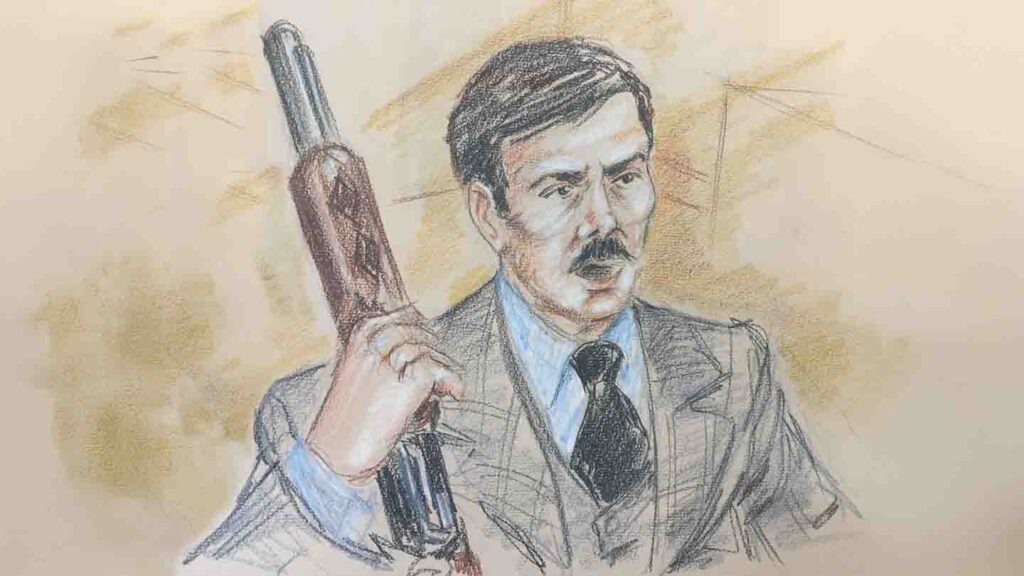
This article by F. Thomas Schornhorst, Deputy Prosecutor during the Kiritsis trial, explores the complex ethical challenges lawyers face when dealing with terrorism. Using the 1977 Anthony Kiritsis hostage case in Indianapolis as its centerpiece, it examines how attorneys became directly involved in negotiations, balancing loyalty to their client with broader obligations to the legal system and public safety.
The piece also compares the Kiritsis incident to the 1971 Attica prison uprising, highlighting the tension between legal advocacy, ethical limits, and the preservation of human life. Readers can expect a deep dive into the paradox of lawyering in crisis situations, where traditional roles blur and the boundaries of professional responsibility are tested.
Pop Culture Influences on Tony Kiritsis
We’ve seen this before somewhere: How pop culture may have given Kiritsis some ideas
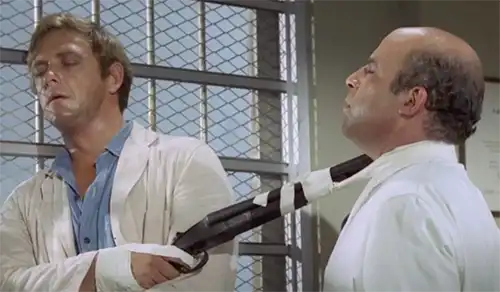
Throughout the 6-year development of Dead Man’s Line, we were often caught off guard by an unexpected detail or a connection to something that seemed unrelated at first glance. Sometimes we didn’t anticipate these parallels because 1977 was such a long-haul time trip from 2018. We were in the second grade that winter, so there was a lot we had forgotten or never knew to begin with.
Richard Hall Has the Last Word
After all Tony’s talking, Dick Hall gets the last word in his book
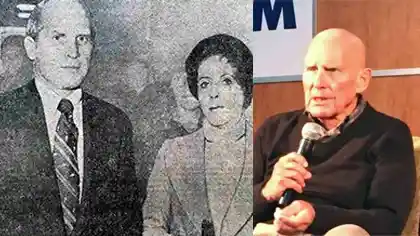
When we first started researching our documentary Dead Man’s Line back in 2012, we always hoped we could find the man who had been taken hostage, Richard Hall. If we could interview him, we would build the entire film around his point of view.
The Tony Kiritsis Hostage Incident:
63 Hours that Forever Changed Indiana Broadcasting
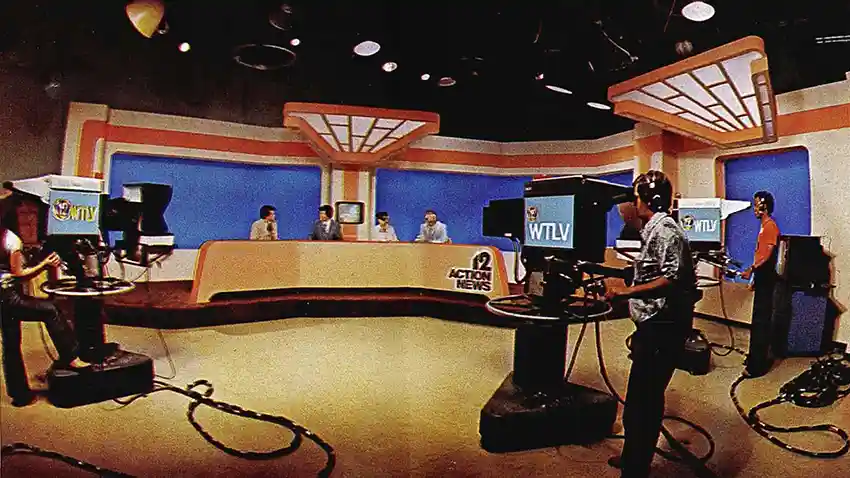
This article explores how the 63-hour Kiritsis hostage standoff transformed Indiana broadcasting. It traces how live coverage of the event—raw, unfiltered, and unprecedented—forced newsrooms to confront new ethical questions about what should and shouldn’t air in real time. Readers can expect insight into how this single story reshaped local journalism standards, media responsibility, and the future of live reporting.
One Reporter's Exclusive Dick Hall Interview
How a high school reporter got the only interview with Dick Hall for four decades
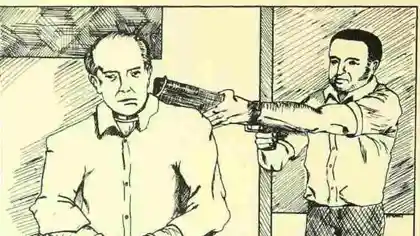
During the 1977-78 school year, Amy Shepherd (now Amy Jones) was a junior at Warren Central High School on the east side of Indianapolis and a section editor for the Wigwam yearbook. The 15 students on staff were assigned articles to write for the yearbook, and Amy was responsible for a piece that would appear on the Current Events page.